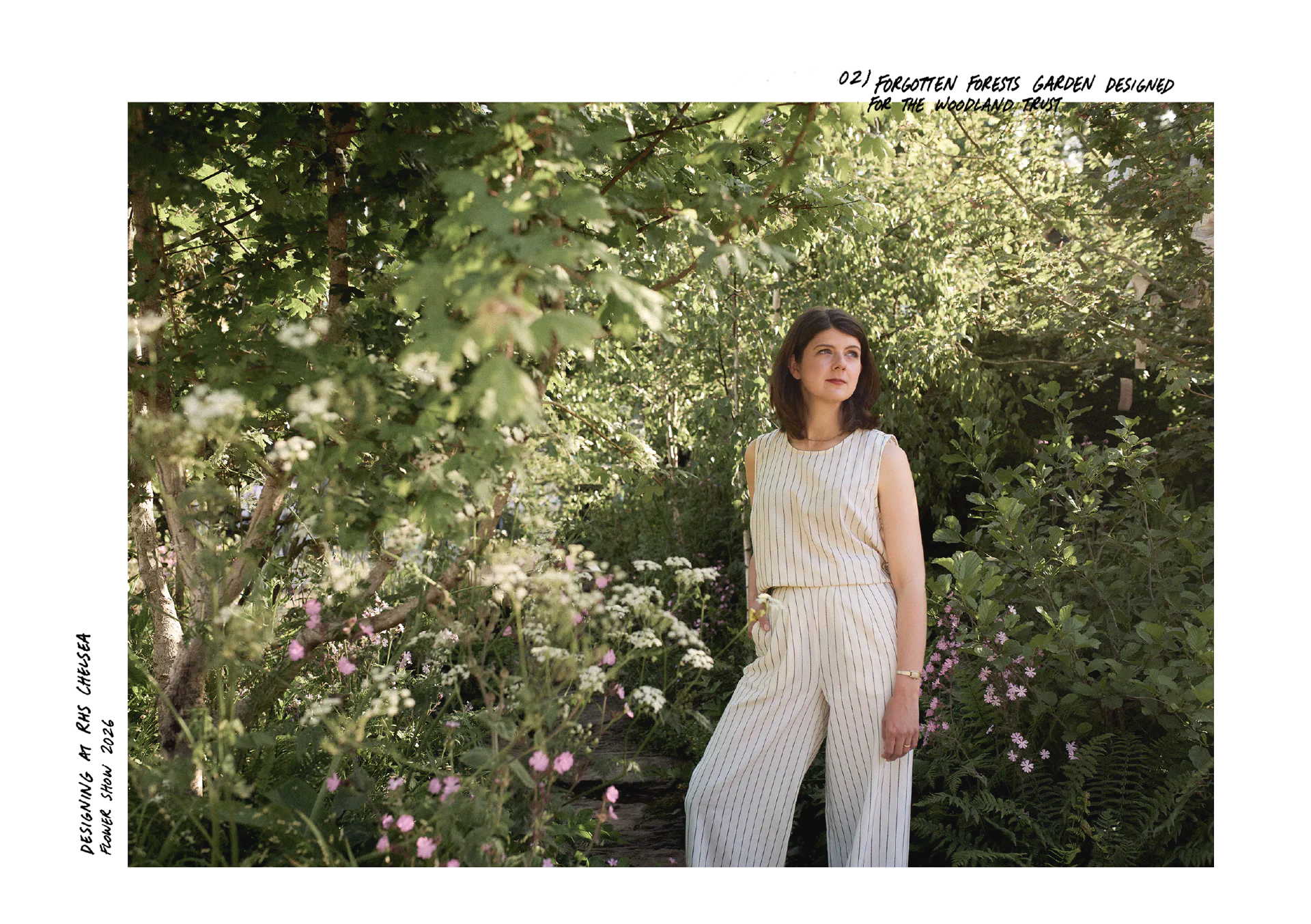
“We are thrilled to showcase this remarkable show garden, which features a diverse array of trees cultivated right here in the UK, highlighting the beauty and resilience of UK-grown trees and bringing critical attention to the alarming loss of trees outside woods across the country.”
Rebecca Gosling, Woodland Trust
I. THE PROCESS
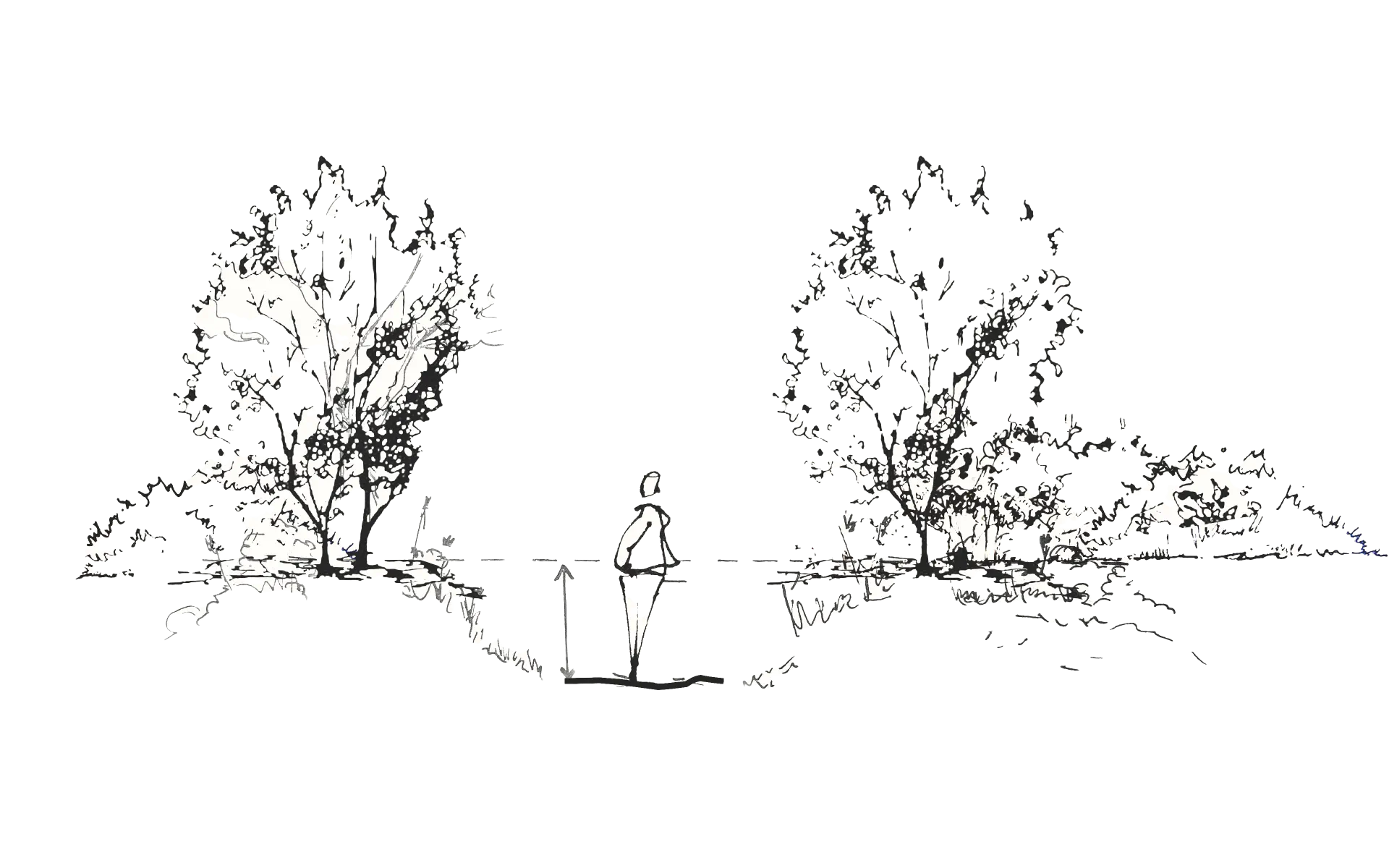
Trees outside woods stand in fields, gardens and hedgerows, often as individual landmarks. Dutch elm disease and ash dieback have changed their presence in the British landscape. The design offers a moment to notice these trees, while showing how thoughtful planting can help shape a more resilient future.
Every tree in the garden was sourced through the Woodland Trust’s UK and Ireland Sourced and Grown assurance scheme. By tracing trees back to seed sourced and grown in the UK and Ireland, the scheme helps reduce the risk of introducing new pests and diseases. The garden encourages visitors to choose locally grown trees and plant a greater diversity of species.
.
II. MATERIAL PALETTE
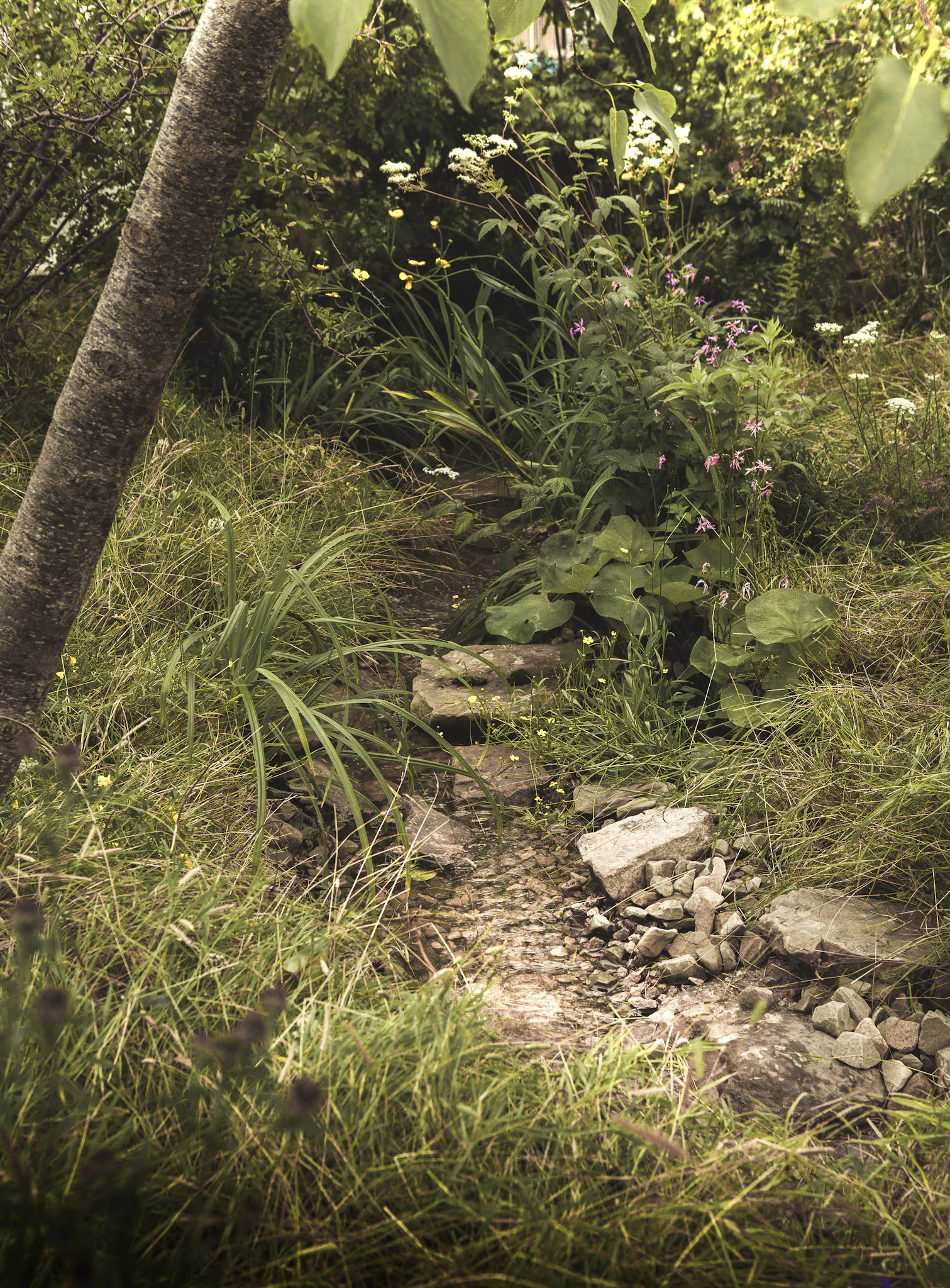
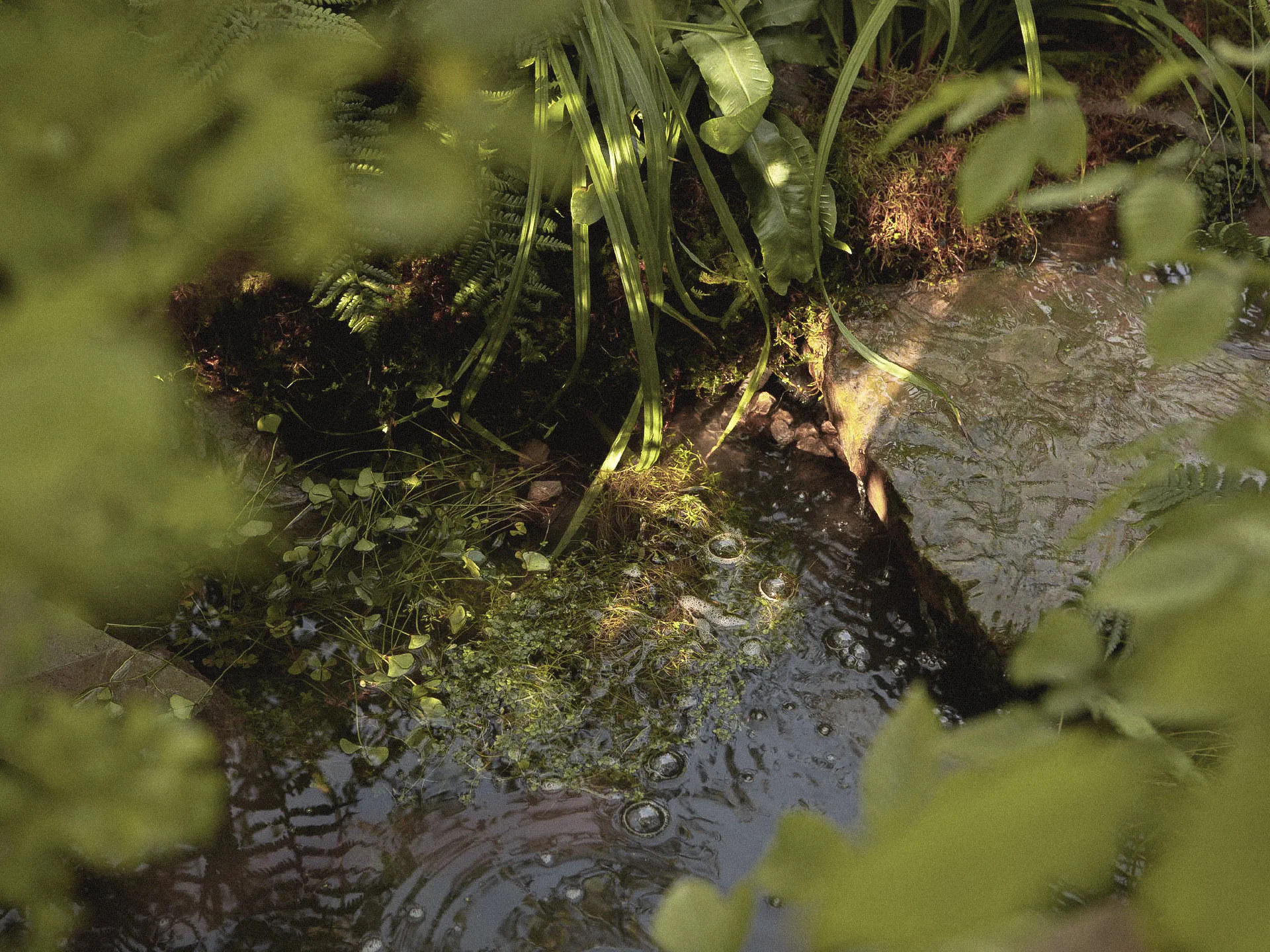
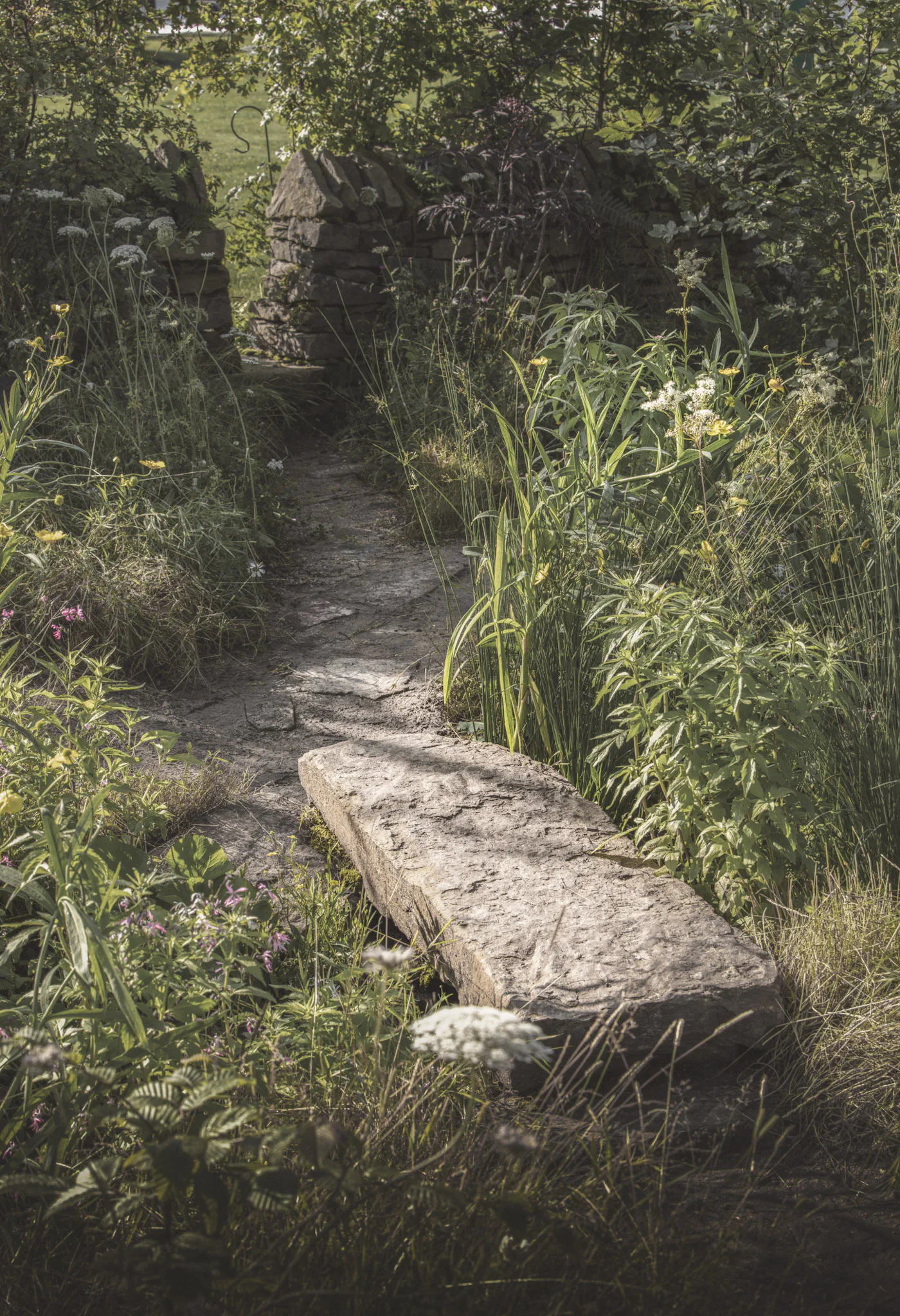
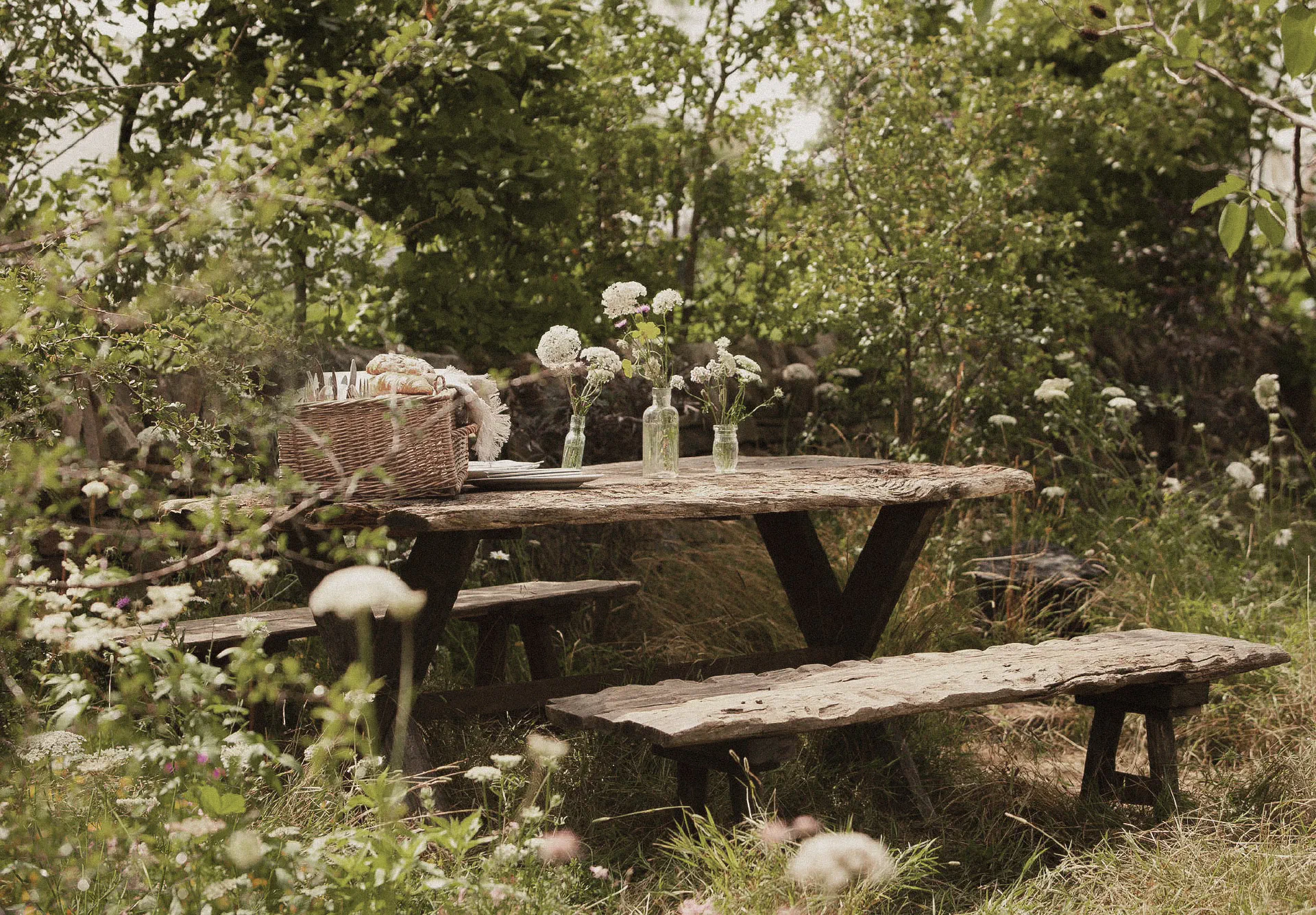
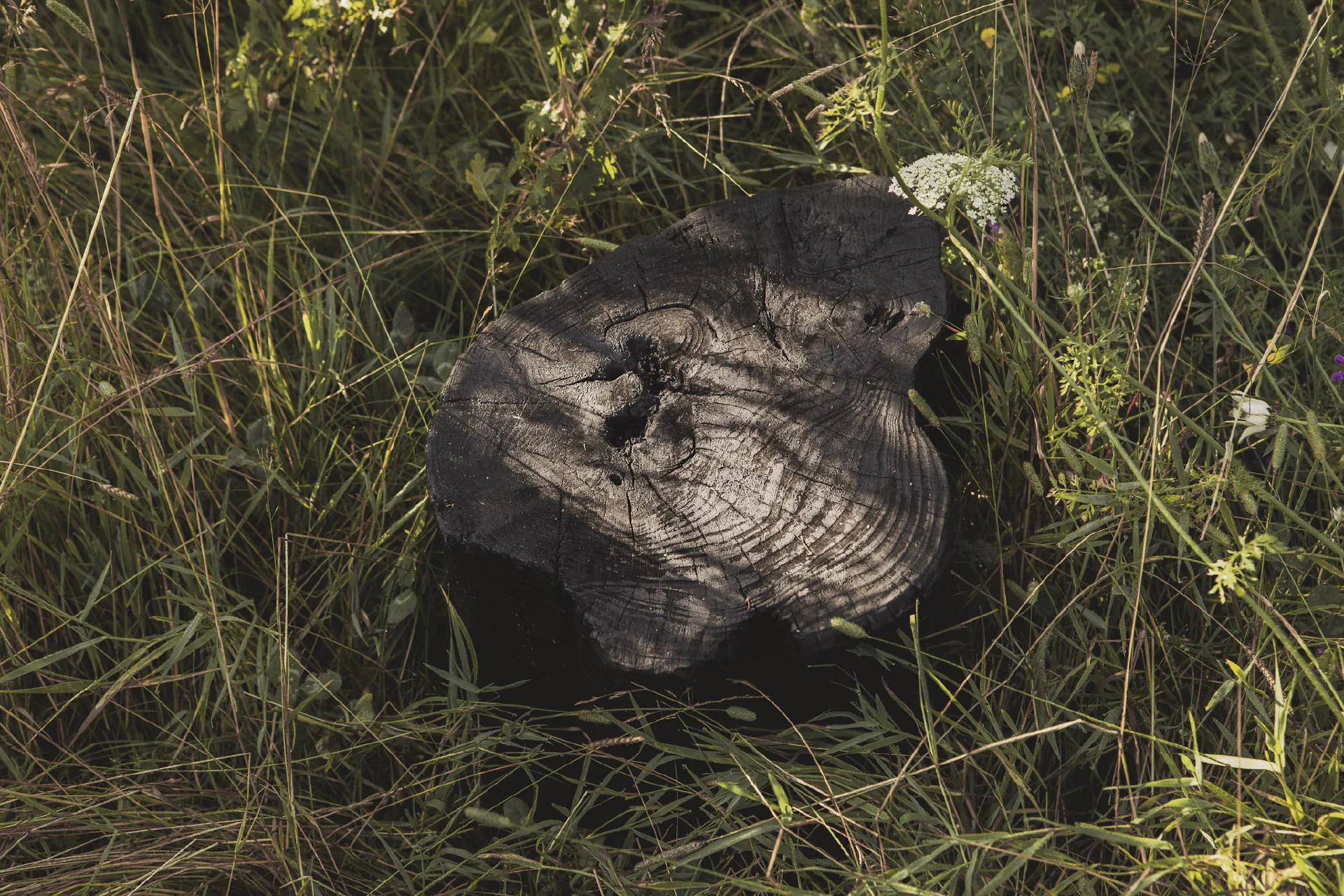
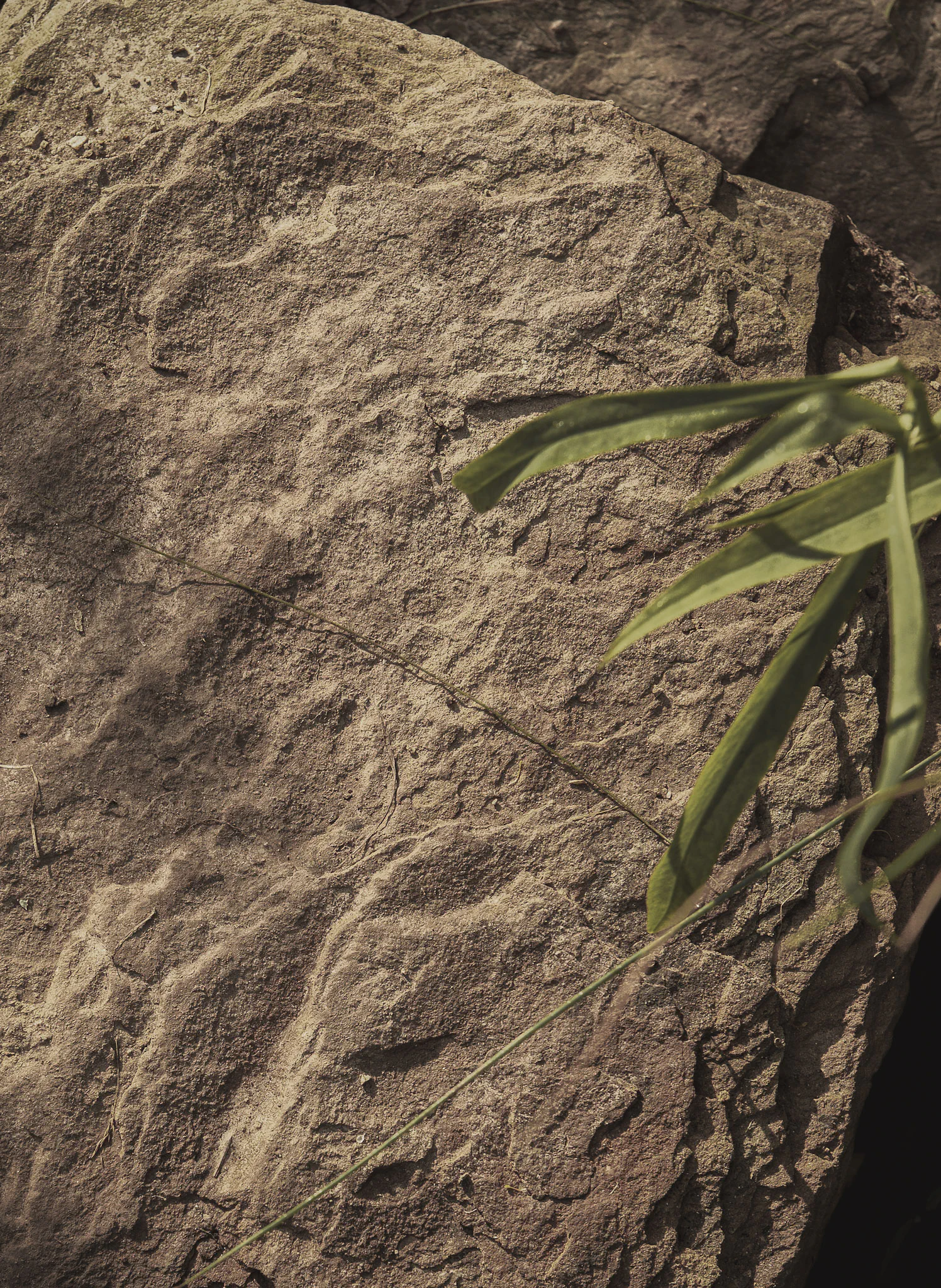
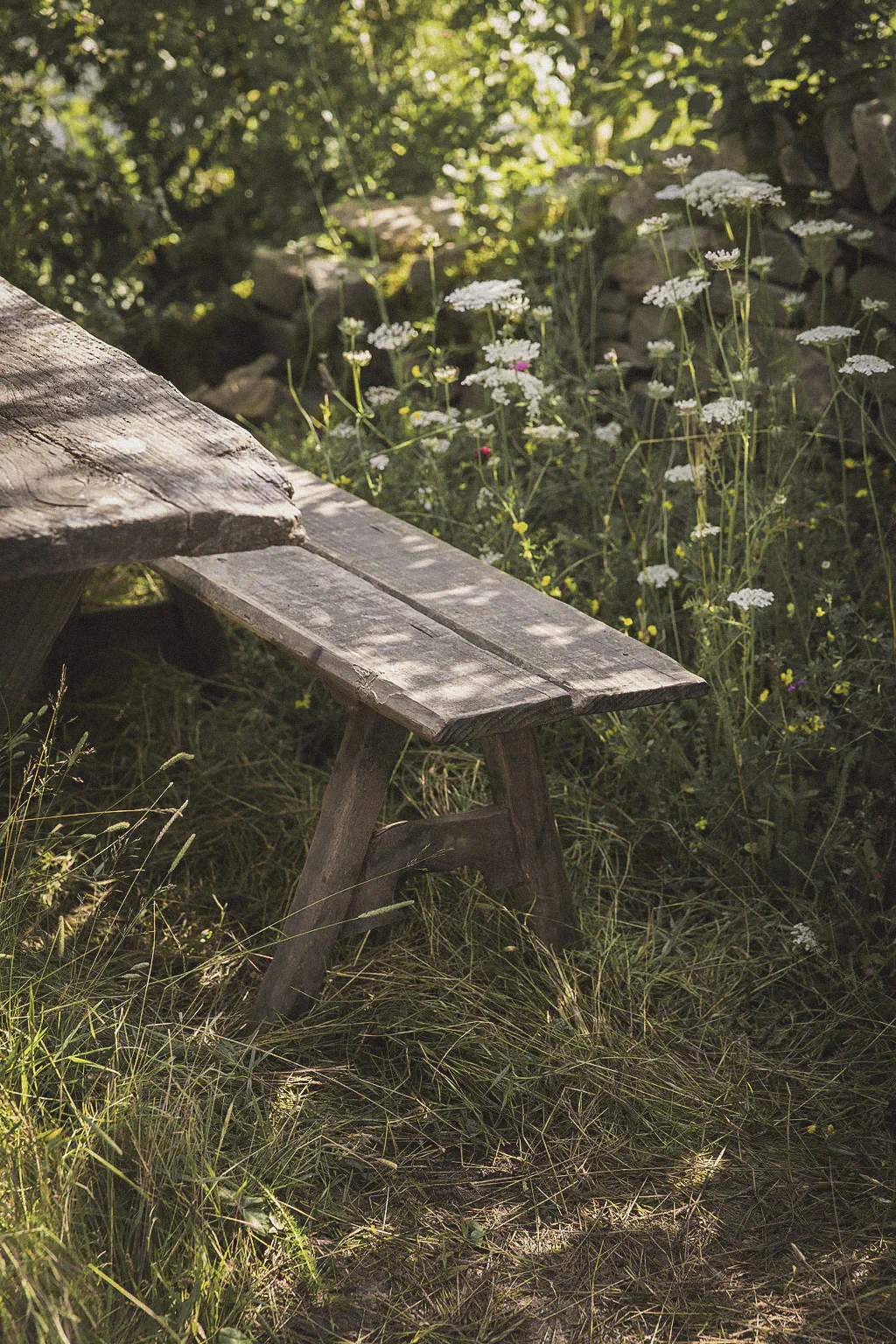
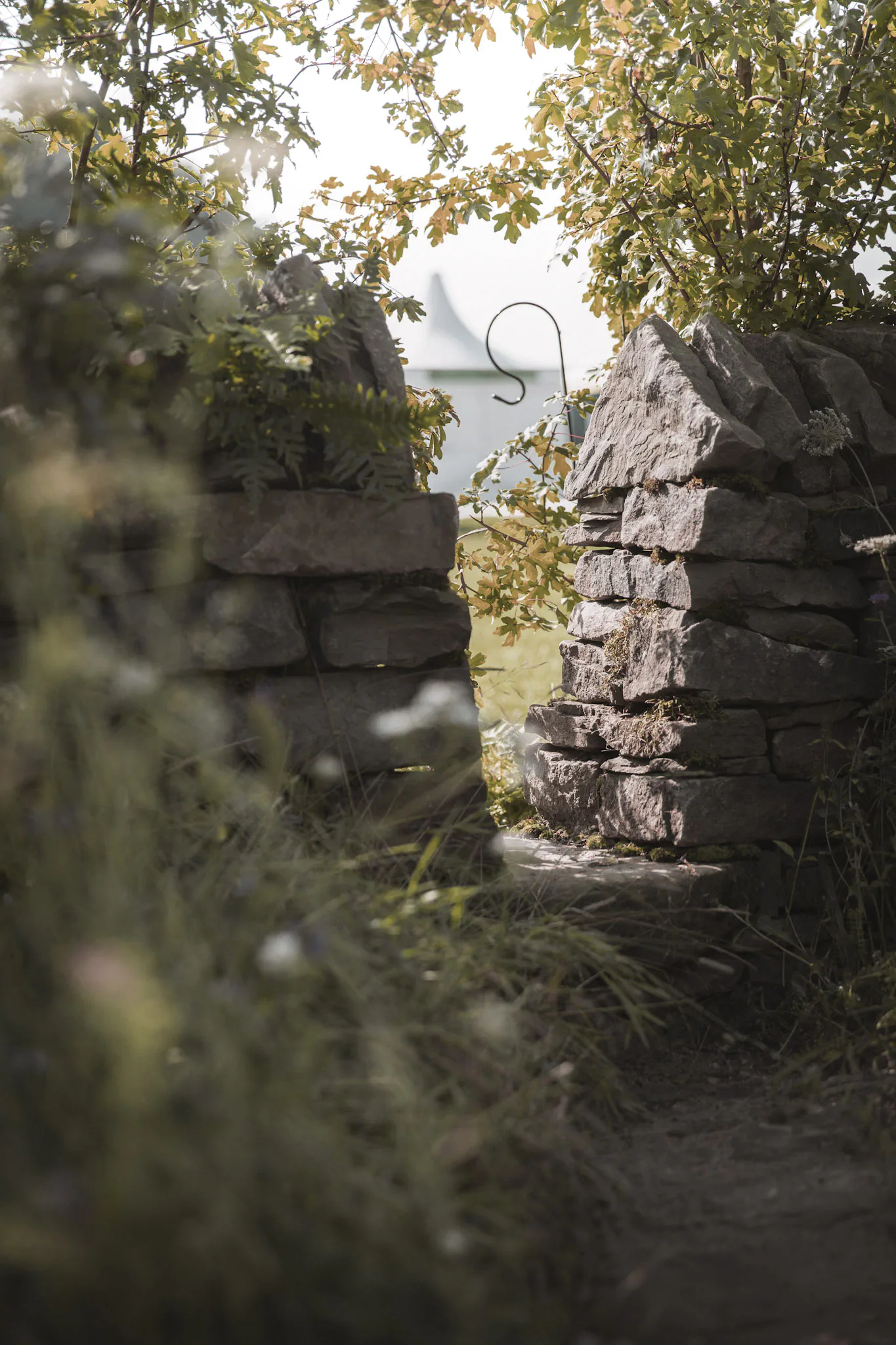
The garden’s materials are drawn from the rural landscape it evokes. Locally sourced stone forms a dry stone wall and a path that moves gently through the planting. Beside it, water and moss soften the edges, giving the garden the quiet, settled character of a place shaped over time.
Hard landscaping occupies less than ten per cent of the garden. Stone provides a framework, while the trees and meadow remain the focus. Major suppliers were located within 95 miles of Tatton Park, keeping the material choices connected to the region as well as to the garden’s story.
III. Planting
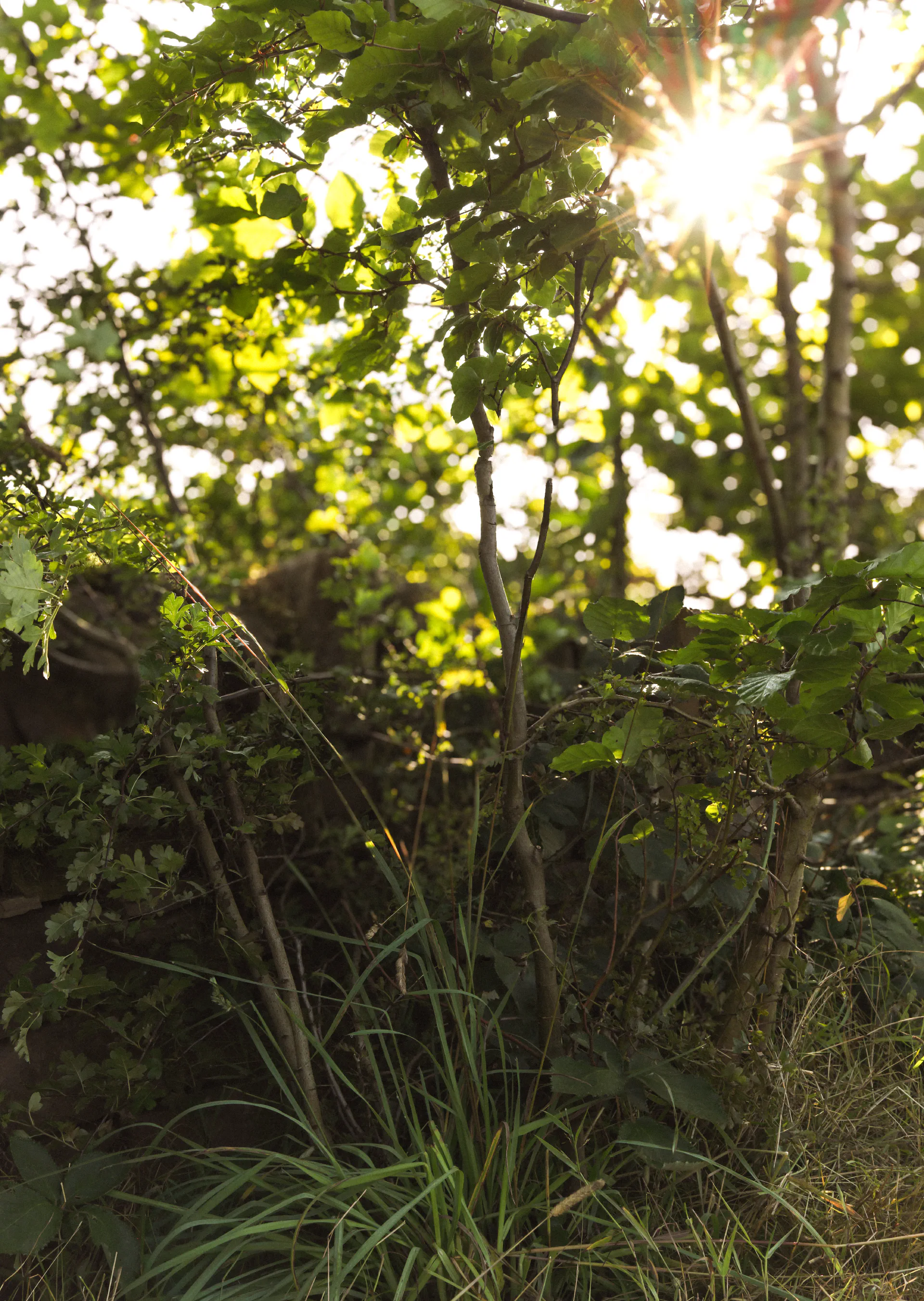
The planting was a celebration of British native species, with all trees sourced from UK nurseries, grown from seed in the UK and selected through the Woodland Trust UKISG scheme.
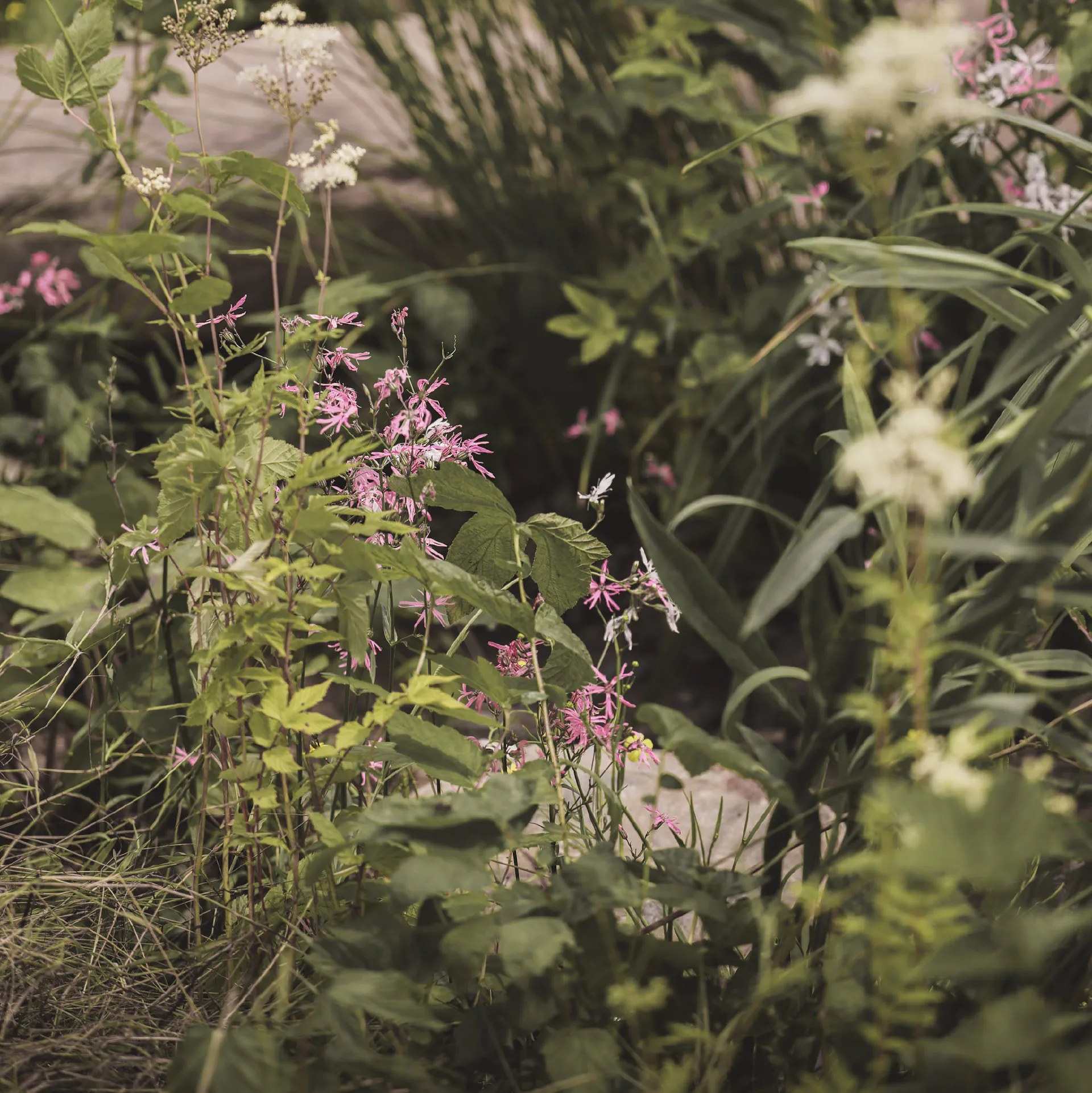
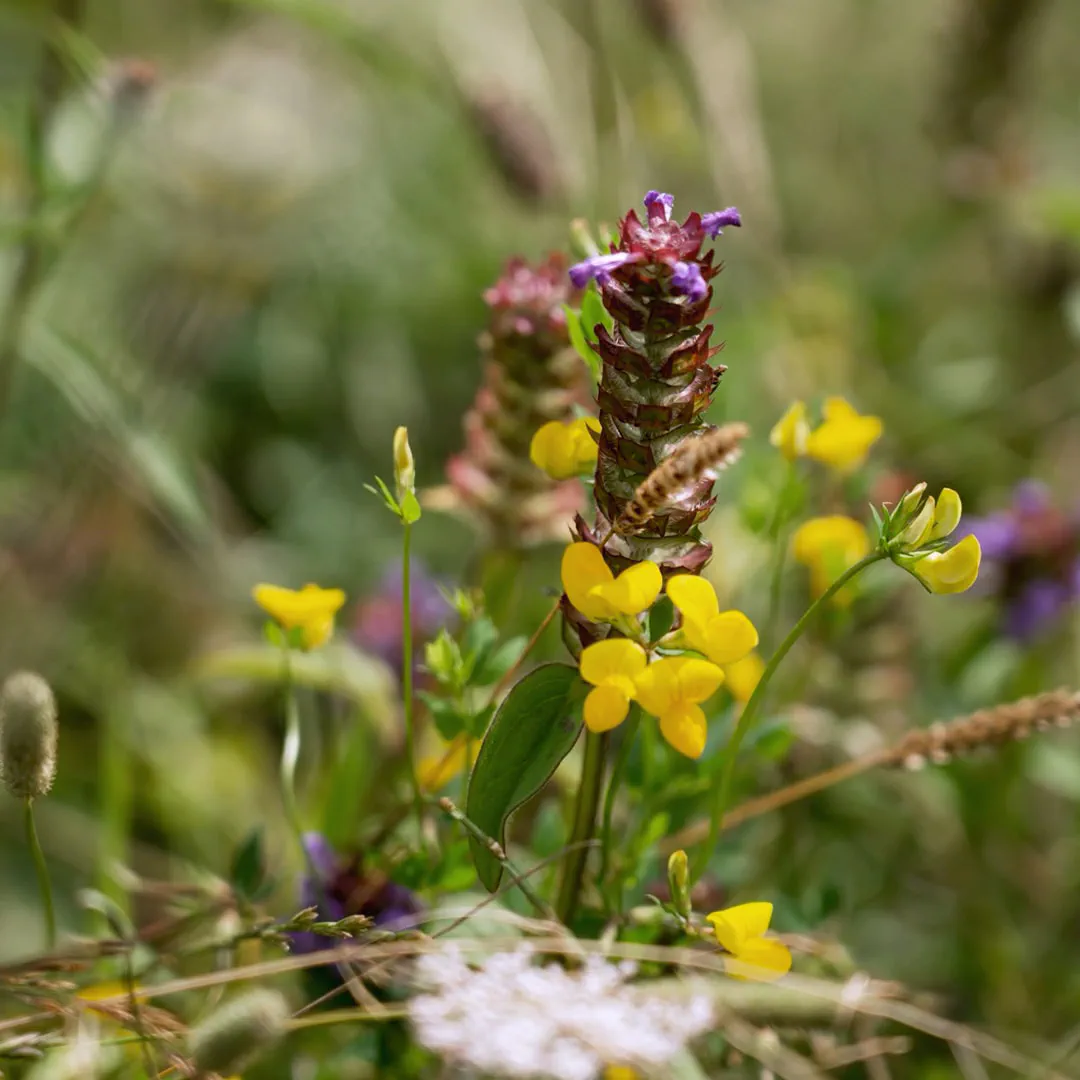
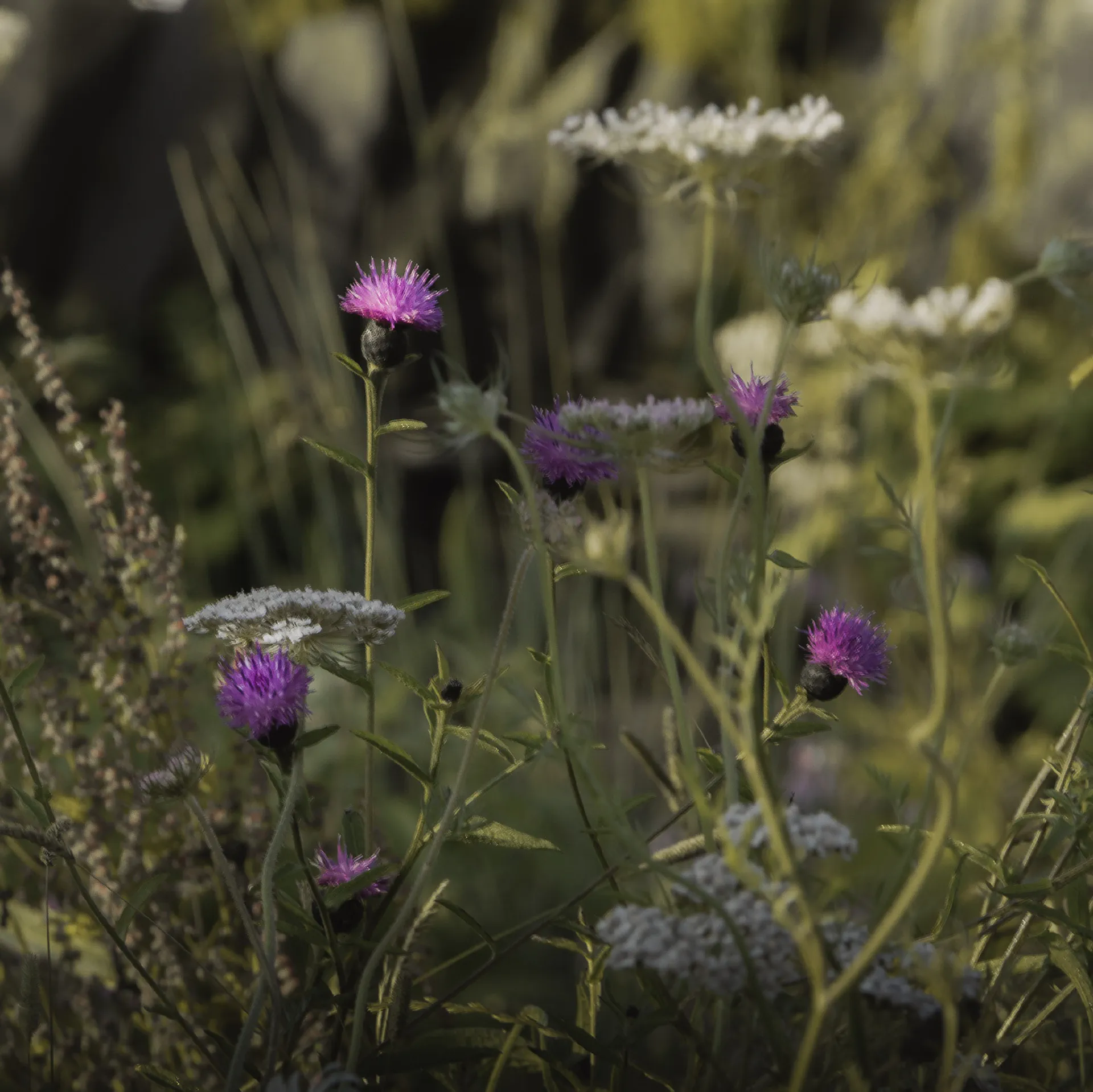
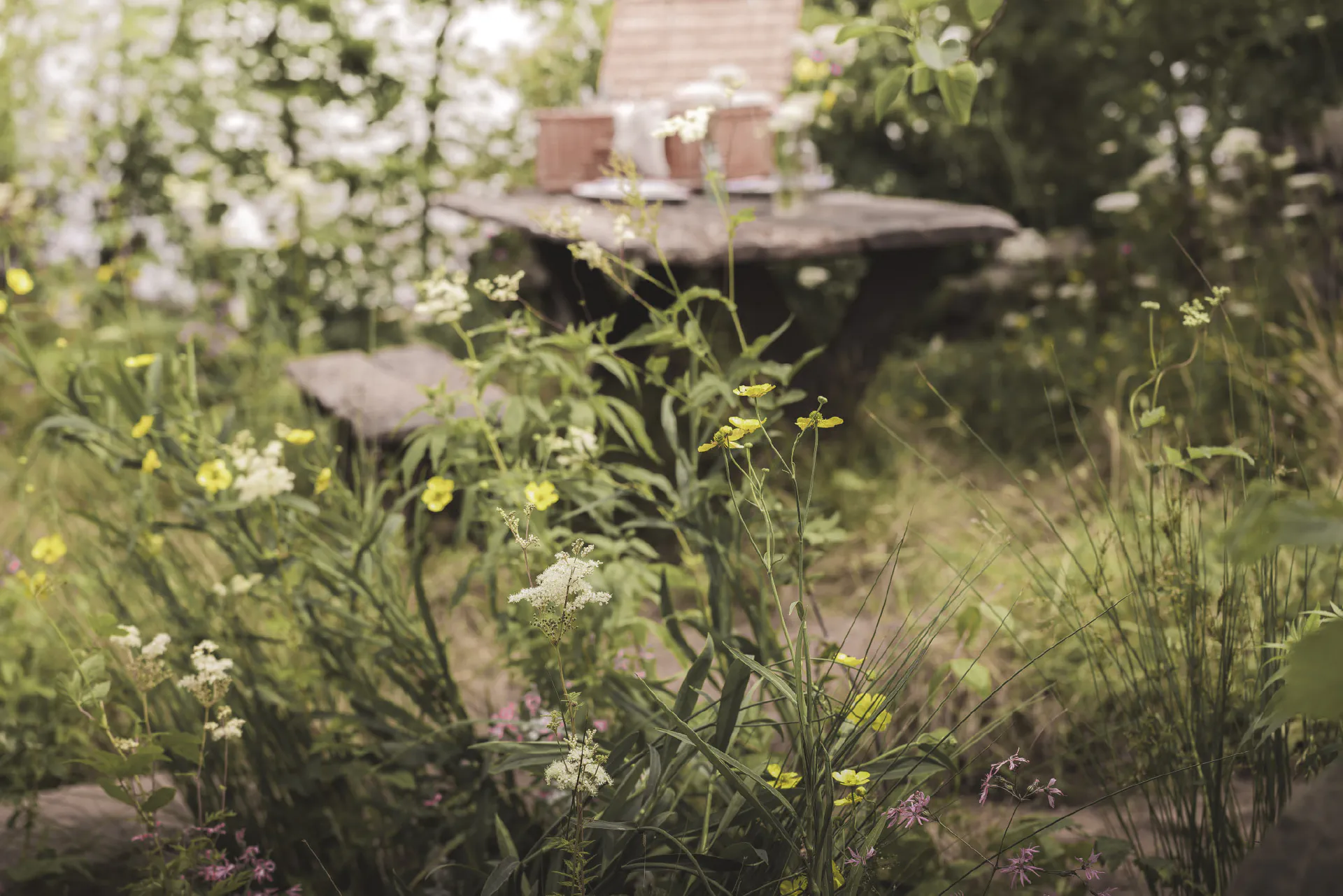
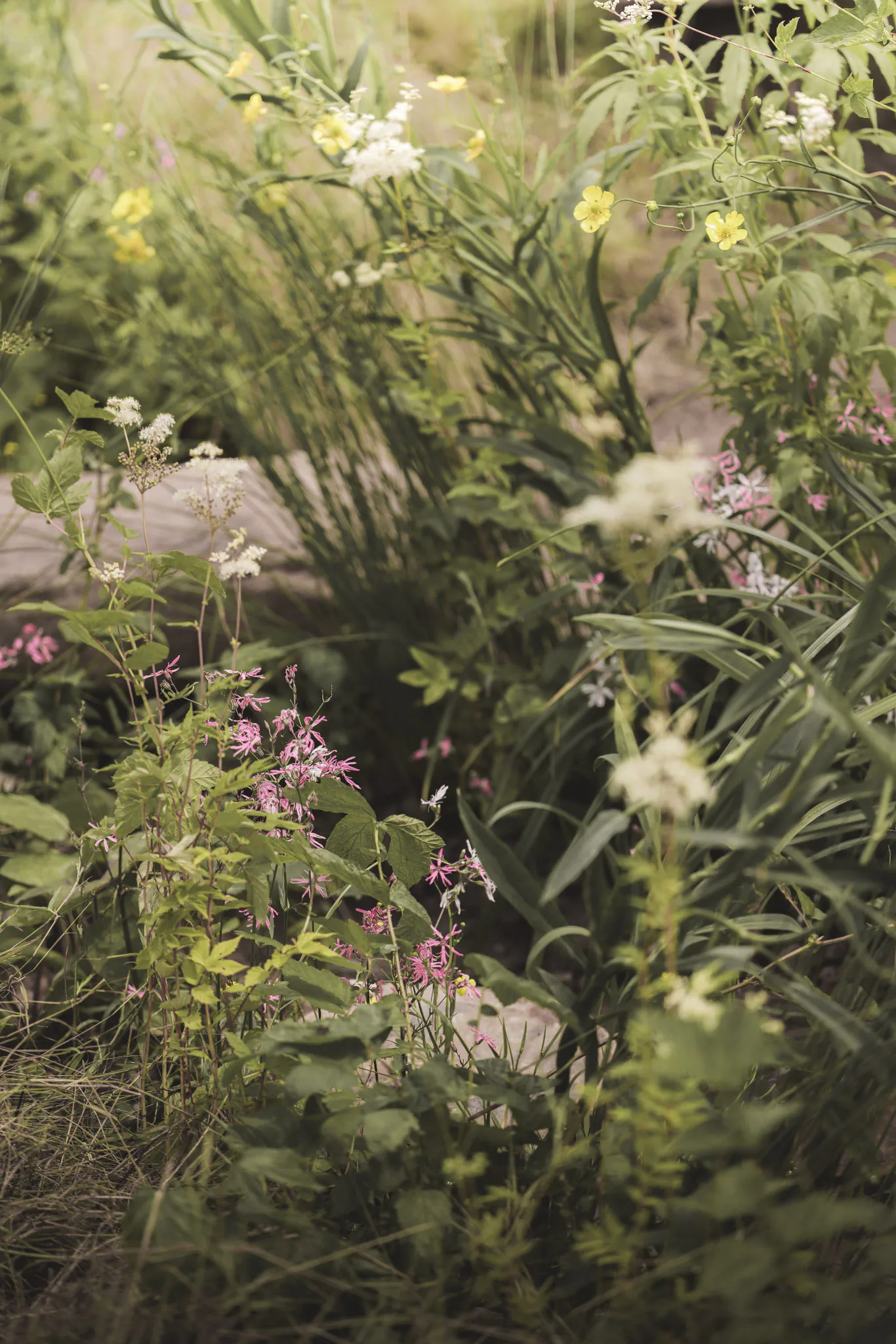
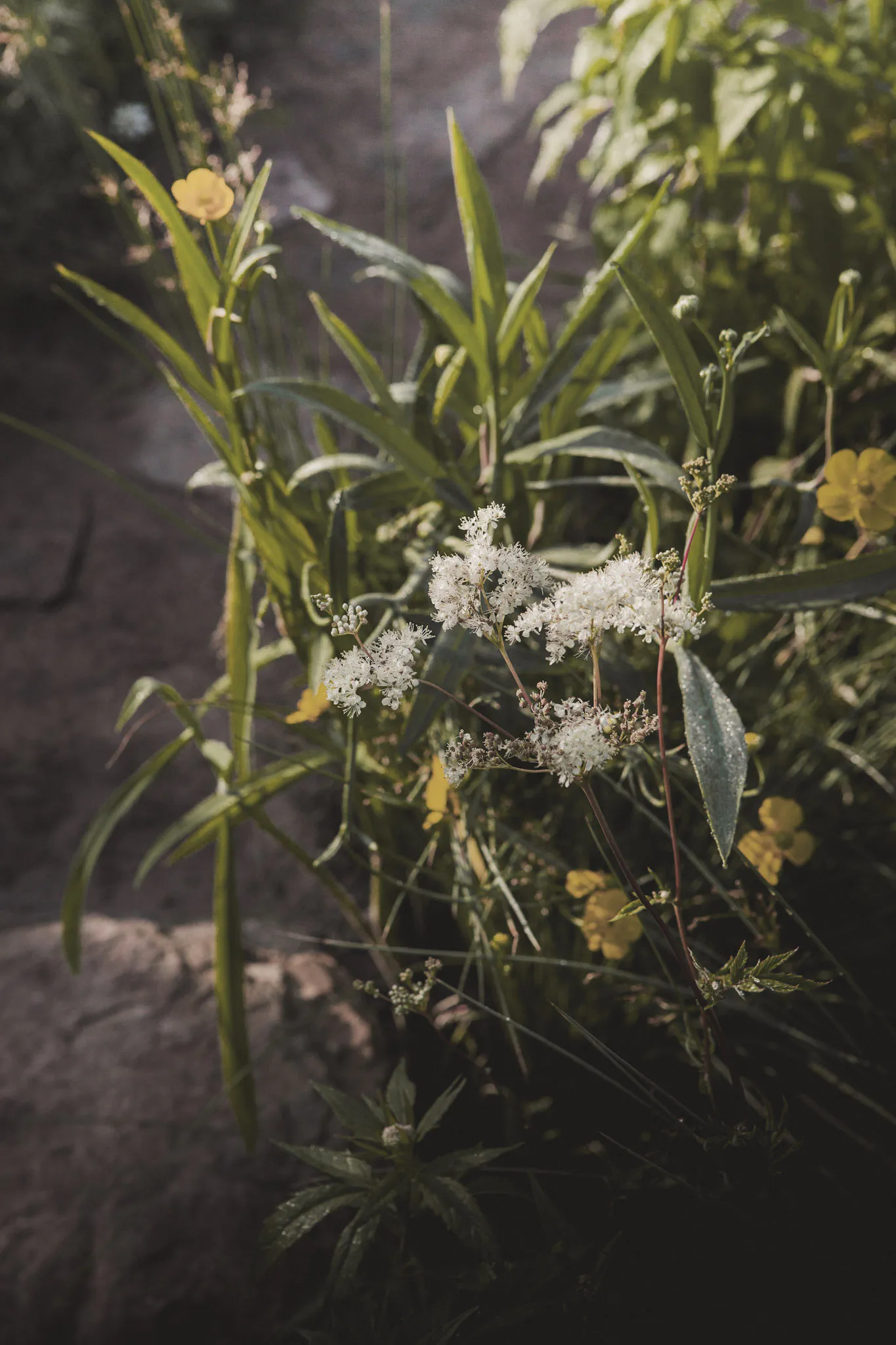
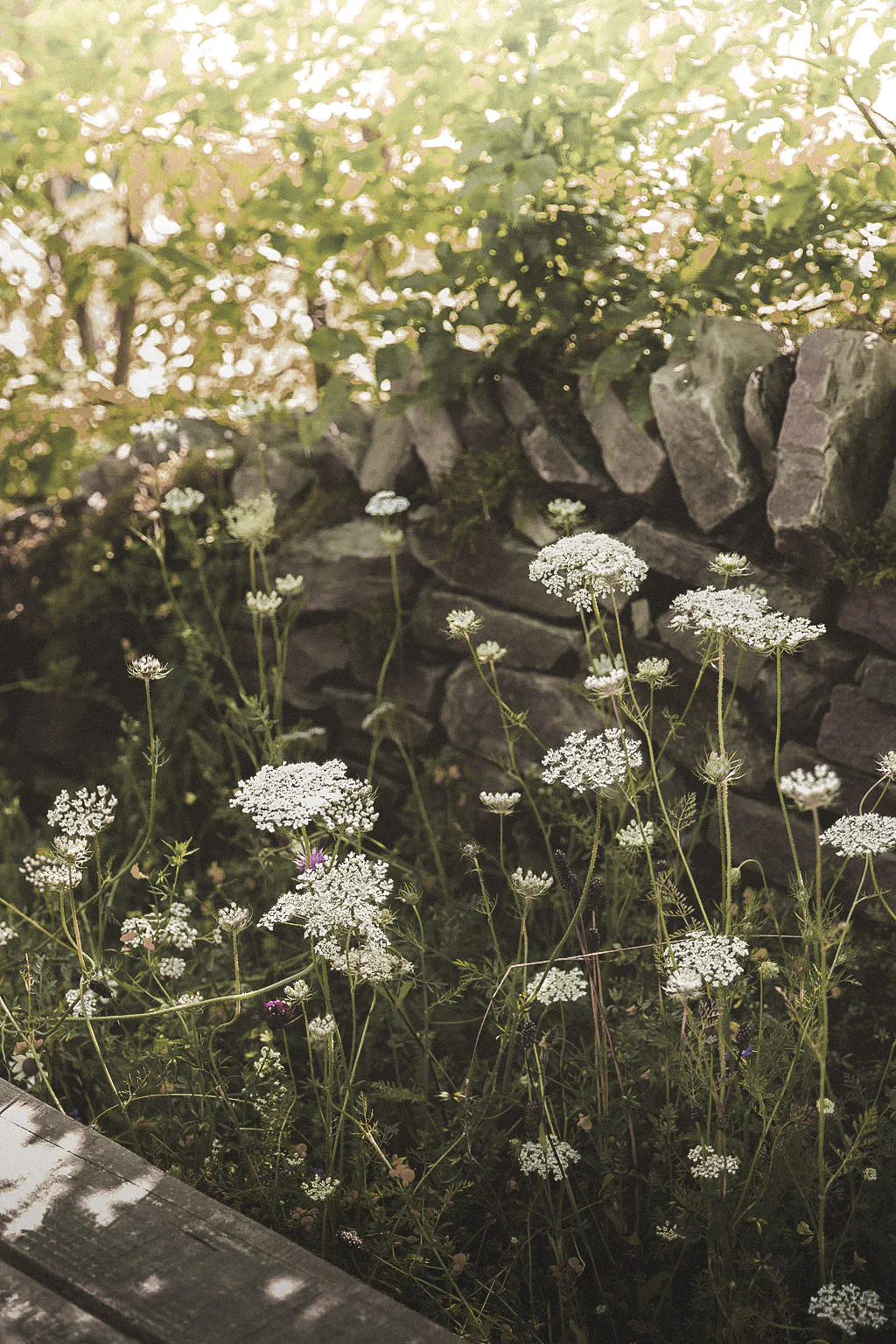
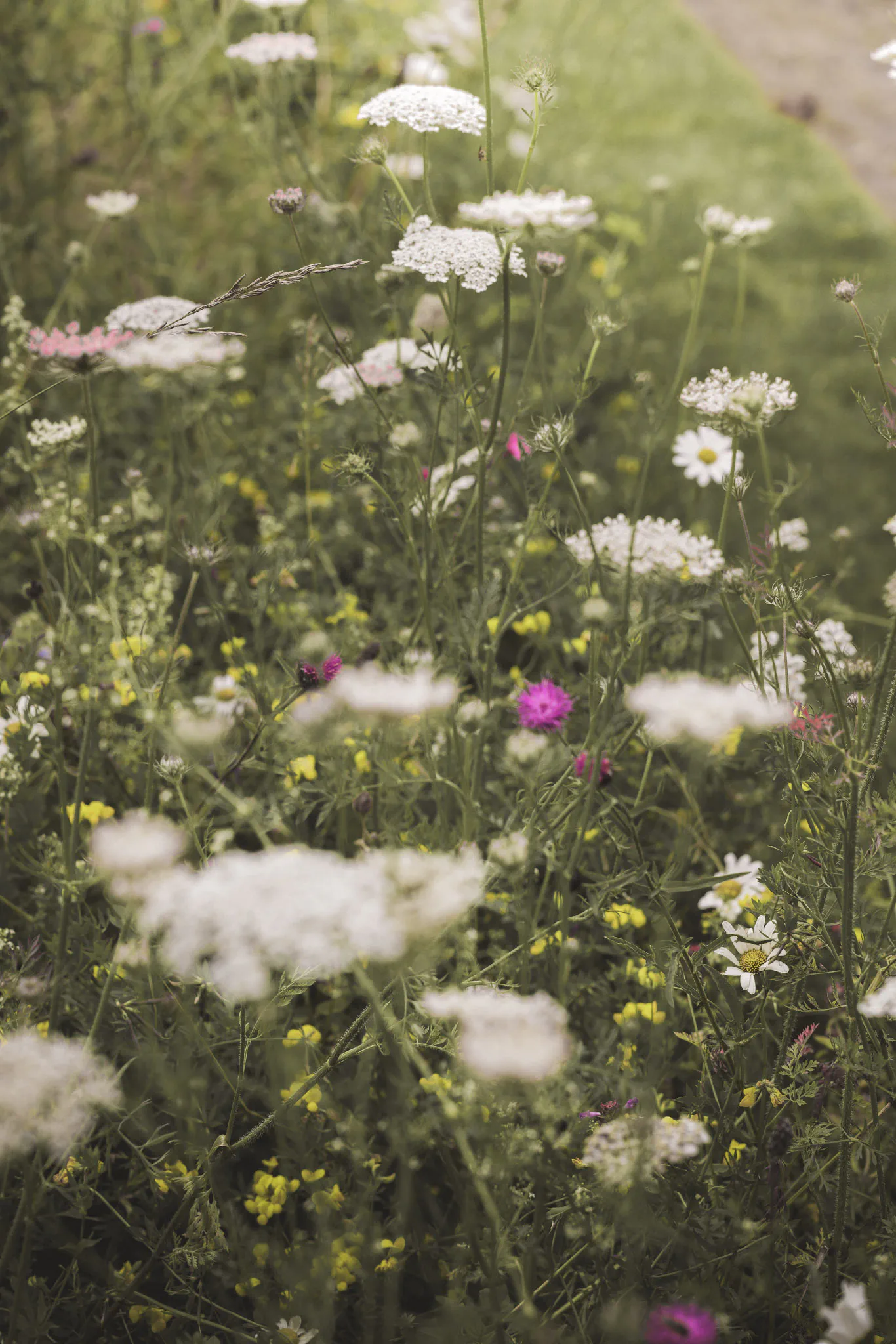
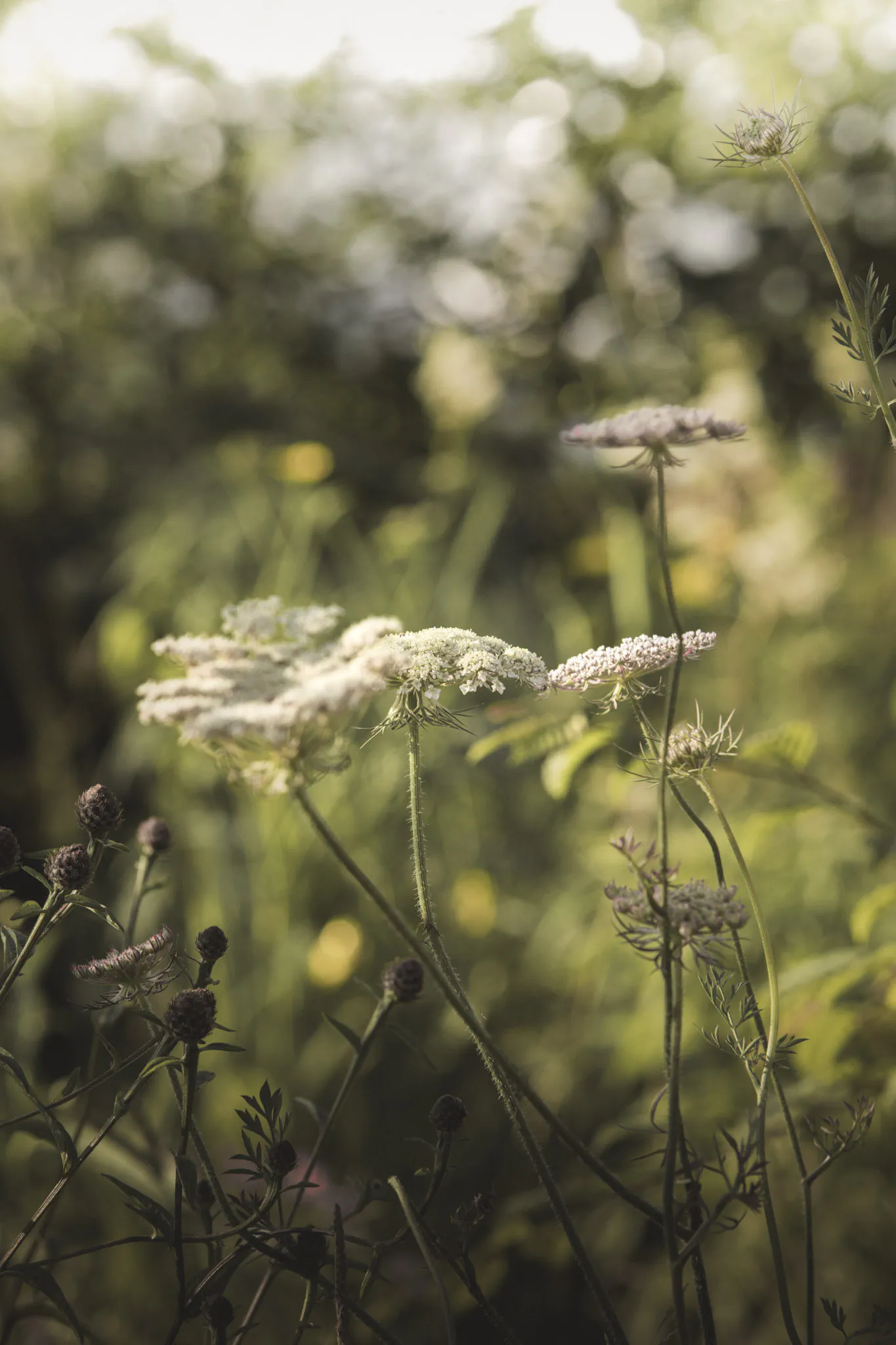
The wider planting took its cue from a British summer meadow. Specially selected meadow turf was used to create a continuous carpet through the garden, with native perennials planted directly into it to build height, texture and seasonal variation.
At the heart of the planting was Alnus glutinosa, the common alder, chosen for its glossy, deeply textured leaves and distinctive dark seed cones. One of Britain’s most characterful native trees, it brought a strong sculptural quality to the garden while reinforcing its connection to the wider British landscape.
Rather than separating meadow and perennial planting into distinct areas, the two were allowed to merge, creating a looser and more natural composition that helped the garden feel part of a wider countryside landscape.
IV. Plant List
Marginal Perennials:
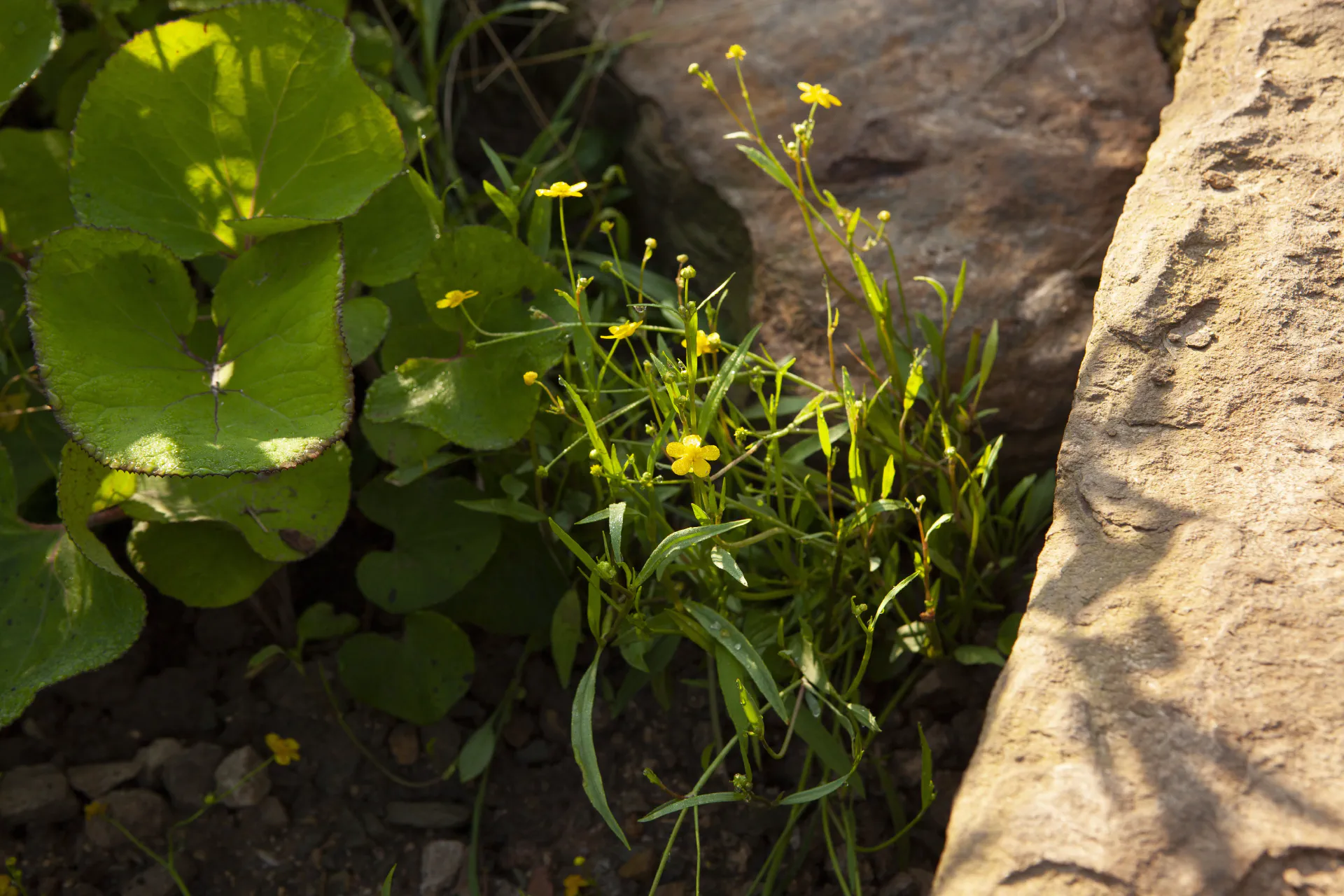
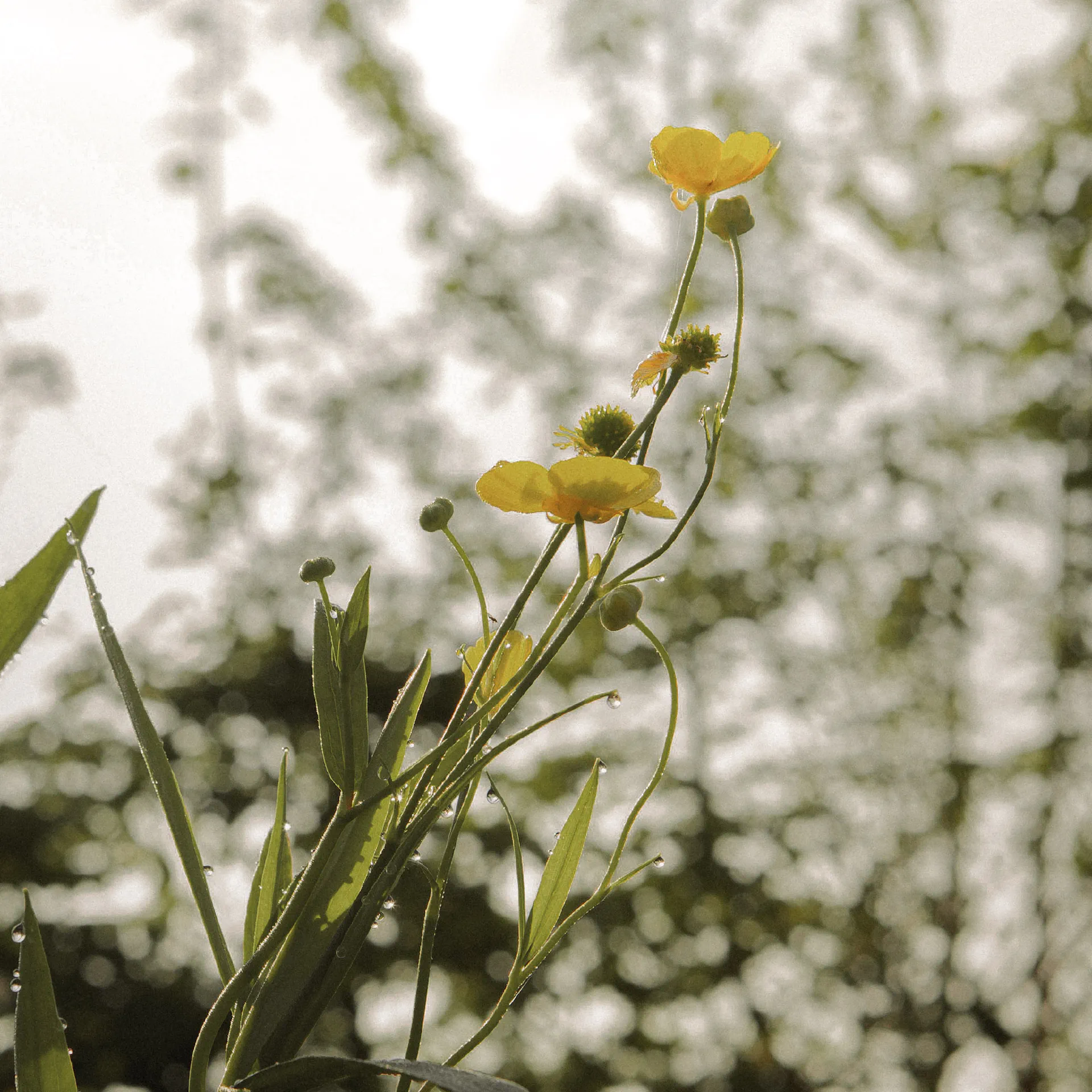
Lesser Spearwort - Ranunculus flammula
Greater Spearwort - Ranunculus lingua
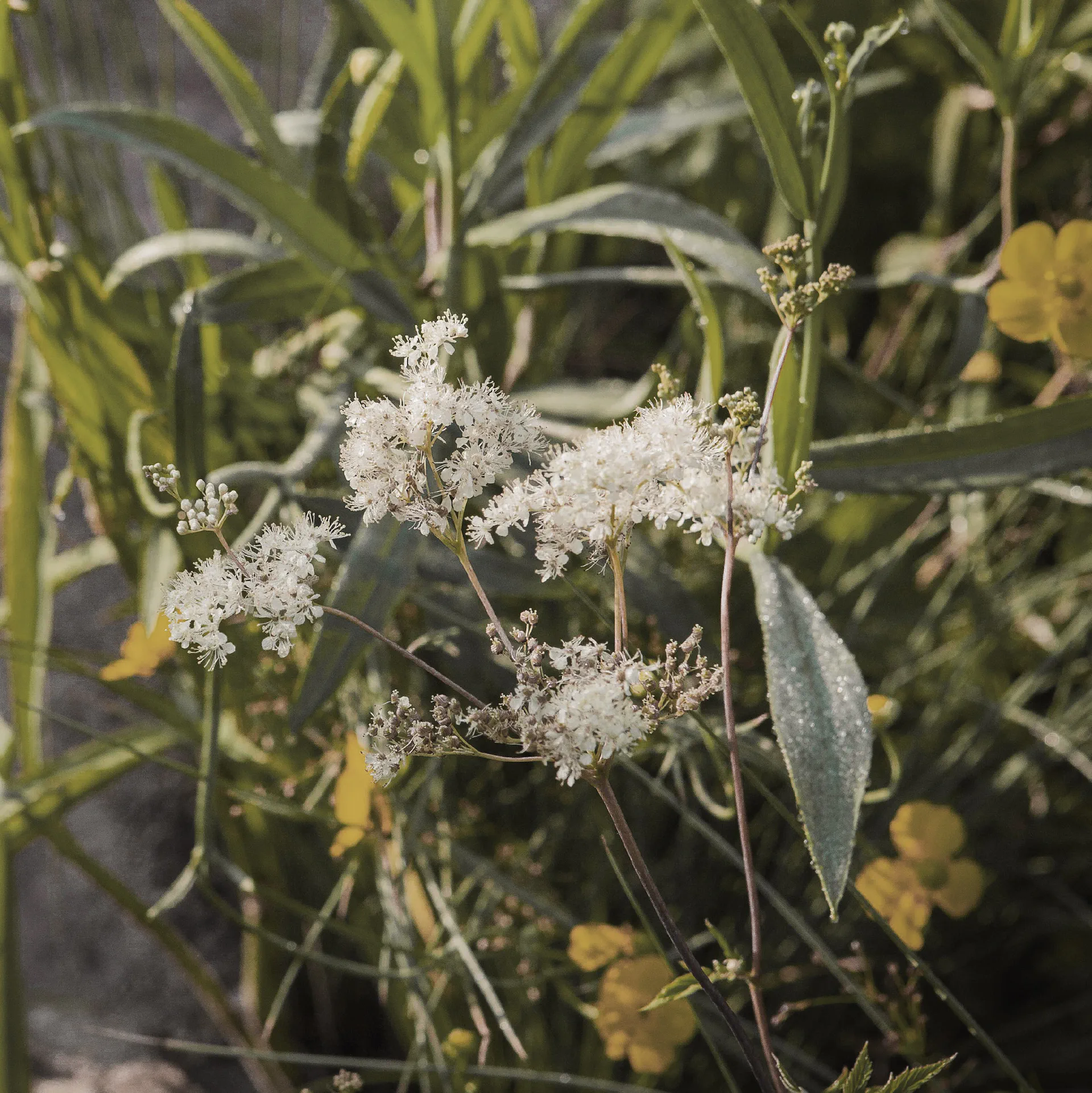
Meadowsweet - Filipendula ulmaria
Hard Rush - Juncus inflexus
Ragged Robin - Lychnis flos-cuculi
White Butterbur - Petasites albus
Common Water-starwort - Callitriche stagnalis
Pendulous Sedge - Carex pendula
Wildflowers, Grasses & Sedges:
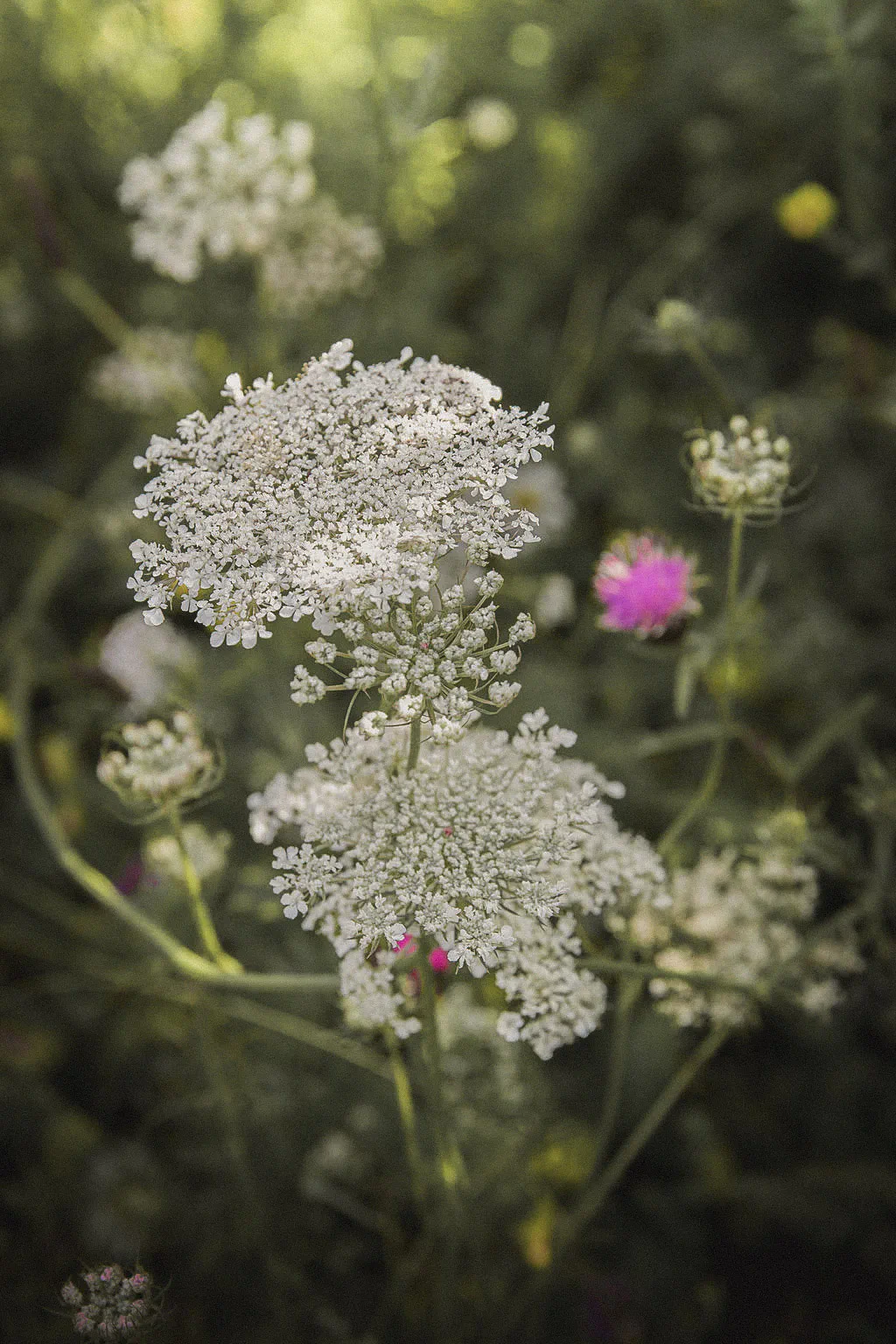
Wild Carrot - Daucus carota
Bird’s-foot Trefoil - Lotus corniculatus
Hyssop - Hyssopus officinalis
Oxeye Daisy - Leucanthemum vulgare
Lesser Knapweed - Centaurea nigra
Herb Robert - Geranium robertianum
Wild White Clover - Trifolium repens
Yarrow - Achillea millefolium
Trees:
Common Alder - Alnus glutinosa
Common Hawthorn - Crataegus monogyna
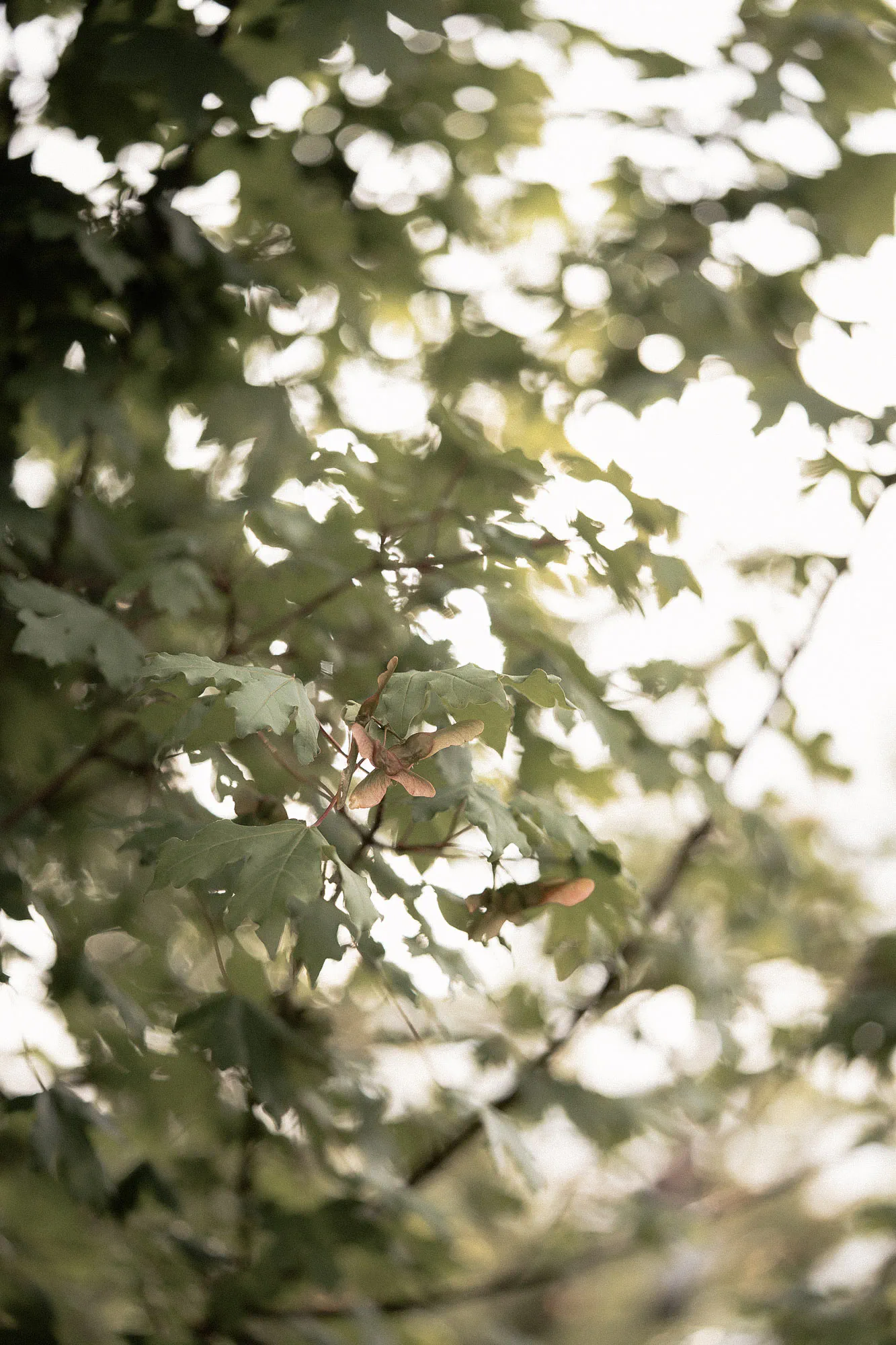
Field Maple - Acer campestre
English Oak - Quercus robur
European Beech - Fagus sylvatica
Shrubs & Hedging:
Field Maple - Acer campestre
Hazel - Corylus avellana
Common Bramble - Rubus plicatus
English Oak - Quercus robur
Black Lace Elderberry - Sambucus nigra ‘Black Lace’
Ferns:
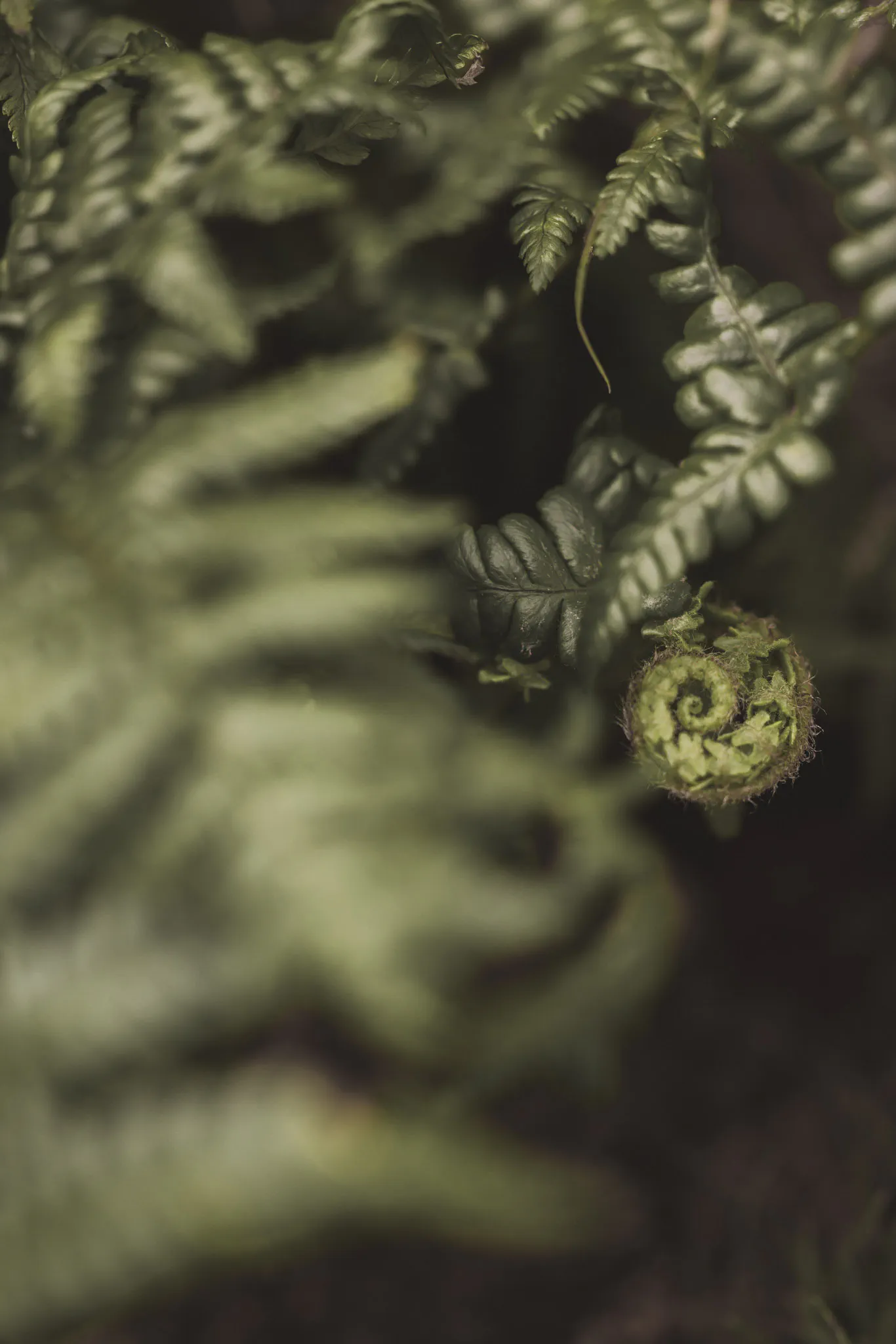
Maidenhair Spleenwort - Asplenium trichomanes
Male Fern - Dryopteris filix-mas
Hart’s-tongue Fern - Asplenium scolopendrium
Common Polypody - Polypodium vulgare